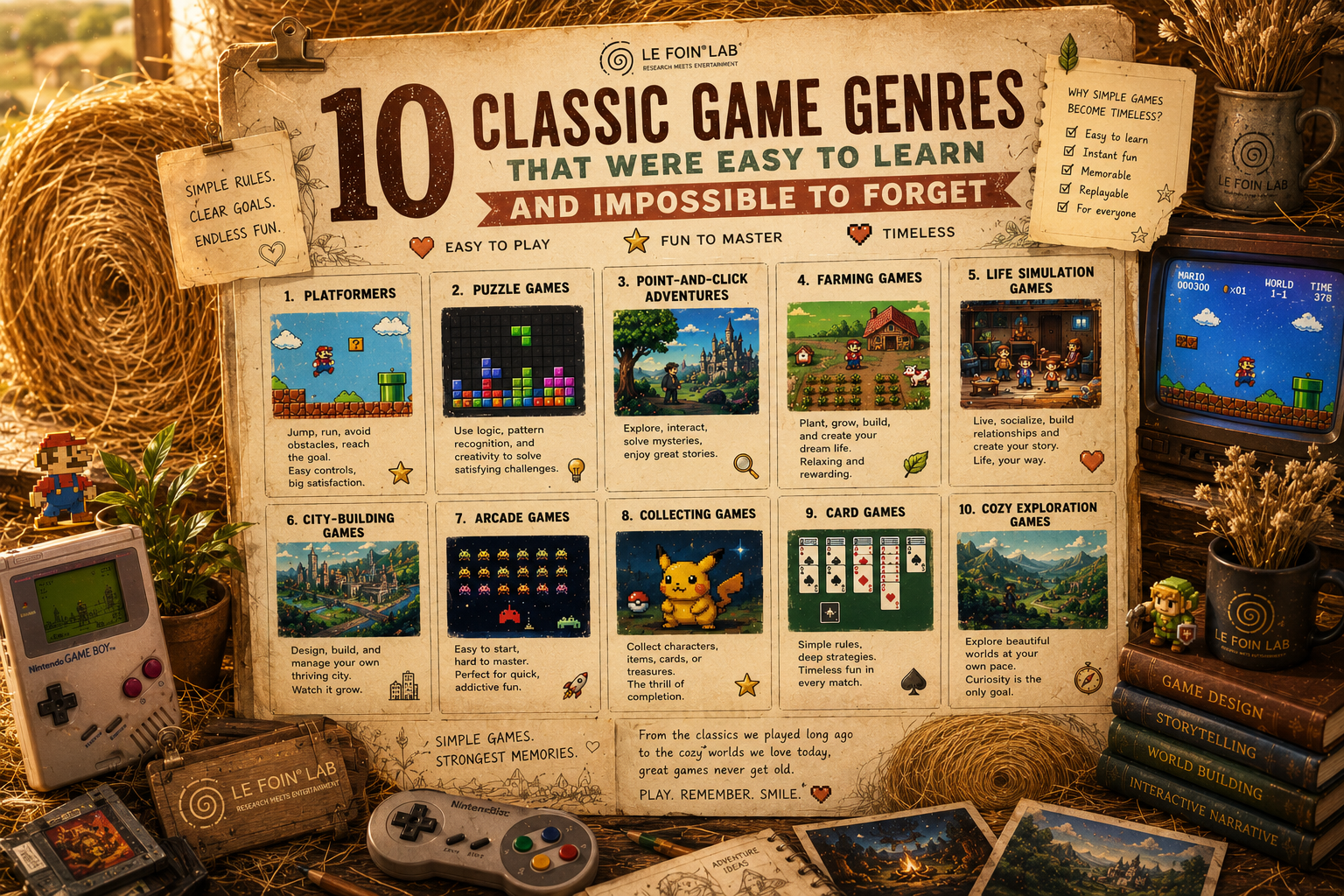
Why Simple Games Often Become Timeless
Modern games are often massive.
They feature open worlds, hundreds of systems, and countless hours of content.
Yet many players still remember the simple games they played years ago.
Why?
Because the best games are not always the most complicated.
Many classic game genres became popular because anyone could understand them within minutes.
Simple rules. Clear goals. Endless fun.
Let’s explore some of the easiest and most beloved game genres in gaming history.
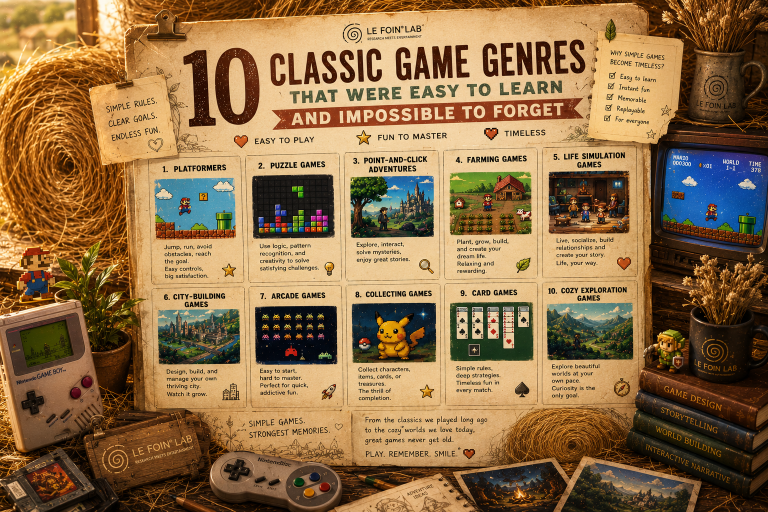
1. Platformers
Platformers are one of the oldest and most accessible game genres.
The objective is simple:
- Run
- Jump
- Avoid obstacles
- Reach the end
Players can learn the basics within seconds, yet platformers can remain challenging and rewarding for years.
Why players loved them:
- Easy controls
- Instant feedback
- Satisfying progression
2. Puzzle Games
Puzzle games prove that gameplay does not require action to be engaging.
Players solve problems using logic, pattern recognition, or creativity.
Examples include:
- Matching games
- Block puzzles
- Logic puzzles
- Physics puzzles
Puzzle games remain one of the most beginner-friendly genres ever created.
3. Point-and-Click Adventures
Before open-world games existed, players explored stories through point-and-click adventures.
The gameplay was straightforward:
- Click objects
- Talk to characters
- Solve mysteries
These games focused heavily on storytelling and exploration rather than fast reflexes.
4. Farming Games
Farming games became famous because they offered relaxing routines.
Players plant crops, raise animals, decorate homes, and slowly build their dream farms.
The appeal comes from:
- Low stress
- Steady progress
- Creative freedom
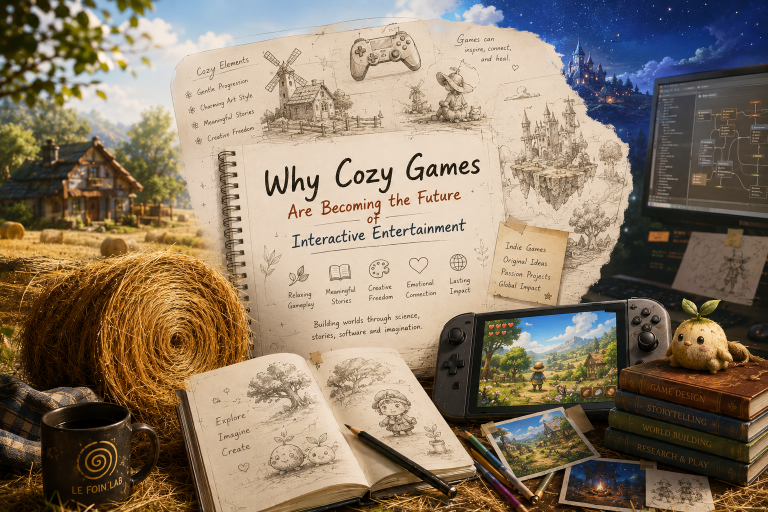
Today, farming games remain one of the foundations of the cozy gaming movement.
5. Life Simulation Games
Life simulators allow players to create virtual lives.
Instead of winning, players focus on:
- Relationships
- Home building
- Personal goals
- Daily activities
These games are easy to learn because they mirror familiar real-world experiences.
6. City-Building Games
City builders let players create thriving communities.
Although advanced strategies can become complex, the core concept is simple:
Build something and watch it grow.
This sense of ownership keeps players engaged for hundreds of hours.
7. Arcade Games
Arcade games dominated gaming for decades.
Their formula was simple:
- Easy to start
- Difficult to master
Whether racing, shooting, or dodging obstacles, arcade games rewarded quick learning and endless replayability.
8. Collecting Games
Humans naturally enjoy collecting things.
Collecting games turn that instinct into gameplay.
Players search for:
- Creatures
- Cards
- Artifacts
- Characters
- Hidden treasures
The mechanics are simple, but the desire to complete collections keeps players coming back.
9. Card Games
Card-based games have existed long before computers.
Digital card games became successful because their rules are easy to understand while offering deep strategic possibilities.
Players enjoy:
- Quick matches
- Clear objectives
- Endless combinations
10. Cozy Exploration Games
One of the fastest-growing genres today is cozy exploration.
These games remove pressure and encourage players to wander, discover, and enjoy beautiful worlds.
Instead of asking players to survive, they invite players to be curious.
This genre perfectly reflects the changing priorities of modern gaming.
What These Genres Have in Common
Although these genres appear different, they share several important traits:
- Easy to learn
- Clear objectives
- Accessible controls
- Rewarding progression
- Strong emotional appeal
The most successful games often reduce complexity rather than increase it.
Players appreciate experiences that welcome them immediately.
Lessons for Modern Game Developers
Many developers believe innovation requires complexity.
Gaming history suggests otherwise.
Some of the most successful games ever created are built around simple ideas executed exceptionally well.
A strong concept, memorable world, and enjoyable gameplay loop often matter more than endless features.
How Le Foin® Lab Sees the Future of Games
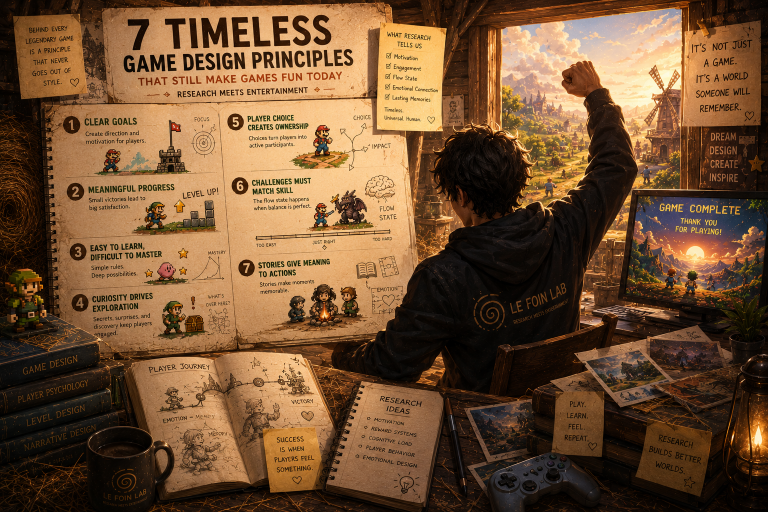
At Le Foin® Lab, we believe the future of gaming lies in combining timeless game design principles with meaningful storytelling and world-building.
Our philosophy, Research Meets Entertainment, encourages us to explore how simple mechanics can create memorable experiences.
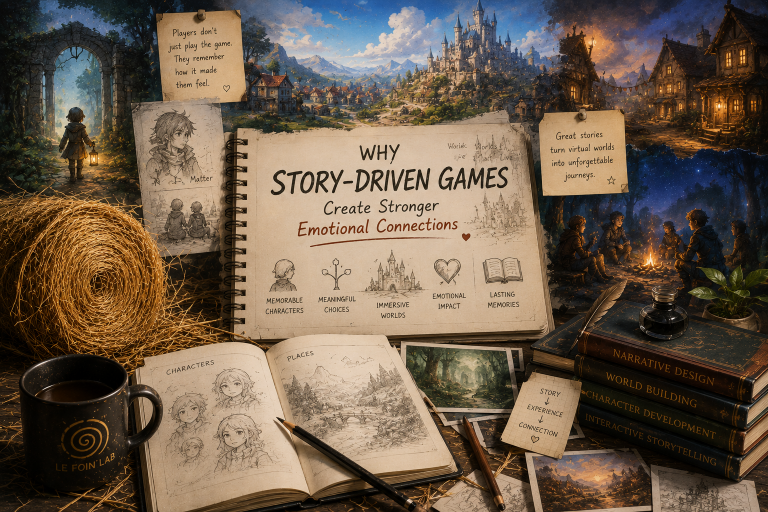
Whether through cozy games, narrative adventures, comics, or interactive worlds, we are interested in building experiences that invite curiosity rather than overwhelm players.
Because sometimes the simplest games create the strongest memories.
Final Thoughts
Gaming has evolved dramatically over the decades, but one lesson remains true:
Simple does not mean shallow.
The most beloved game genres became successful because they were accessible, intuitive, and fun.
As new technologies emerge, these timeless design principles will continue to shape the future of interactive entertainment.
About the Author